

The problem
A whole system becomes manageable when the relationships are visible.
A working design depends on hundreds of relationships in order to maximize synergy and create passive automations. Permaculture Data keeps those connections in view, making a complex plan easier to understand and improve.
One component, fully connected
Pull one thread. See everything attached to it.
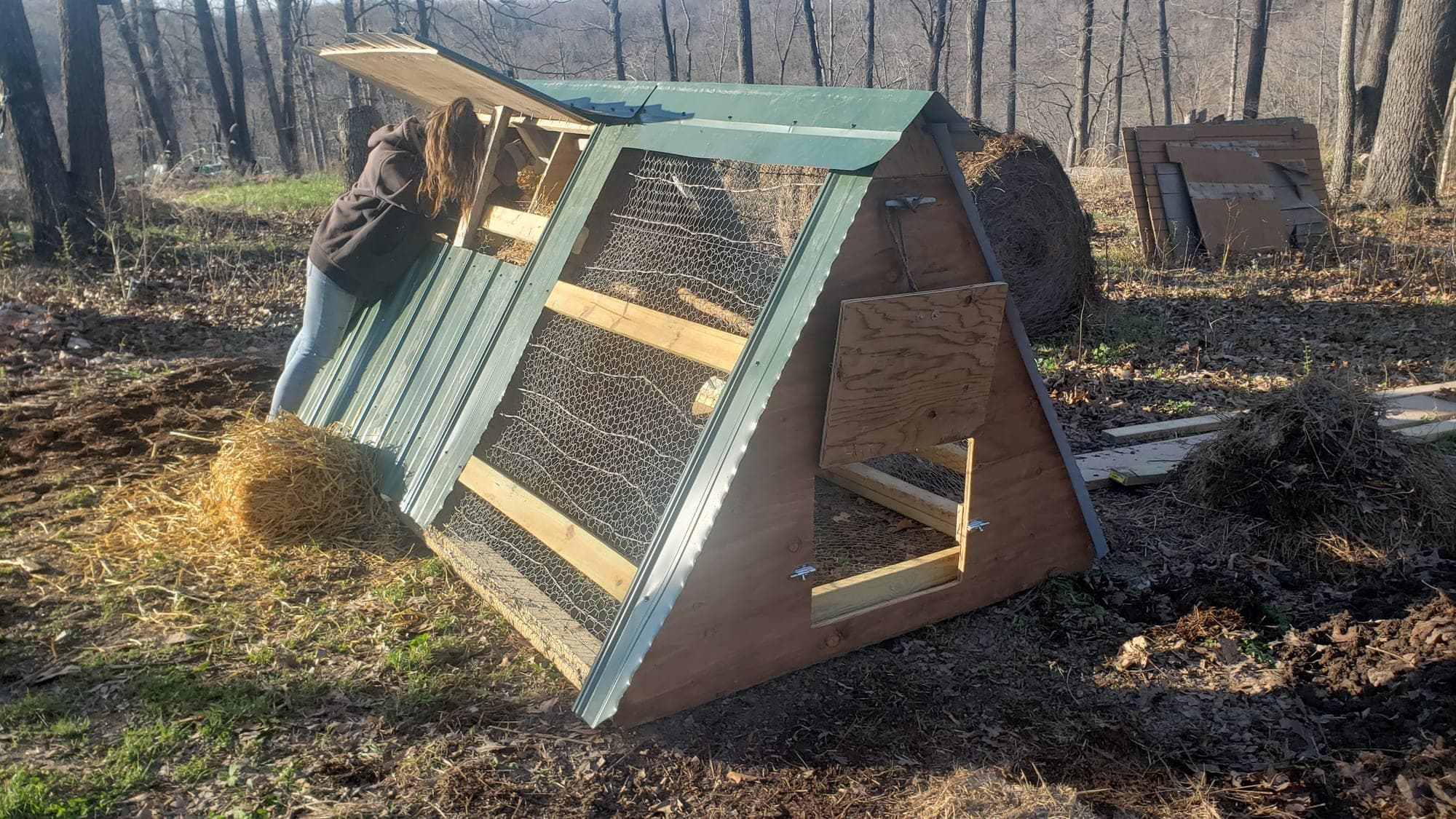
A chicken coop is more than a structure. While in use, it ultimately results in protein production, soil improvement, garden preparation, and waste processing. Place it upslope of a garden to naturally fertilize below. Grow a deciduous trellis with fruit to passively feed the chickens, while providing shade in the summer. Position above a swale to have the fertilizer spread and distributed into your main system. And consider a perimeter crop growing along the outer edge of the run's fence to allow for partial grazing that automatically replenishes itself.
For some farmers, feed is purchased from the market, resulting in one open import for the coop. The same check applies to every component, making gaps easy to find.
Hundreds of plants and components, and climbing daily.
C-009 · Zone 1 · Exterior
Chicken coop
System functions
Bed preparation
Primary
Waste processing
Secondary
Protein
Primary
Soil fertility
Primary
Interconnected components
5 linkedPerimeter grazing
Animal forage · Windbreak
Run trellis
Shade · Animal forage · Pest exclusion · Food
Chicken tractor
Bed prep · Waste processing · Soil fertility
Compost
Animal forage · Waste processing · Soil fertility
Black Soldier Fly Bioreactor
Animal forage · Waste processing
Placement relationships
Upslope of
vegetable garden, swale
Downslope of
key dam
Adjacent to
vegetable garden, compost pile, chicken tractor
Inside of
chicken run perimeter grazing
Contains
black soldier fly bioreactor
Under
trellis
Over
swale
Away from
well
Resource flows

Market independence
Find every place your design has market dependencies.
Every component records what it needs and what it produces. When nothing on site meets a need, the design still depends on an outside supplier. Permaculture Data identifies those imports and shows which on-site components could replace them.
It also tracks resources as they move through the design.
Explore system flowsEvery flow gets a verdict
Closed
The output feeds something else on site.
Import
Something outside still has to supply it.
Export
A surplus leaves, by choice.
Vented
A yield with nowhere to go yet.
Open imports give you a practical list of opportunities for greater self-reliance.
Placement and elevation
Design the fall before the flow.
A roof catchment must sit above the cisterns it fills. The cisterns sit above both the green water spigots and the first-flush diverter. Permaculture Data preserves that vertical order as one connected elevation chain, so gravity-dependent systems can be checked before construction.
Collection begins
Roof catchment
Is above
Cisterns
Is above
Green water spigots
Is above
First-flush diverter
Super Data
Diverse trusted sources—aggregated.
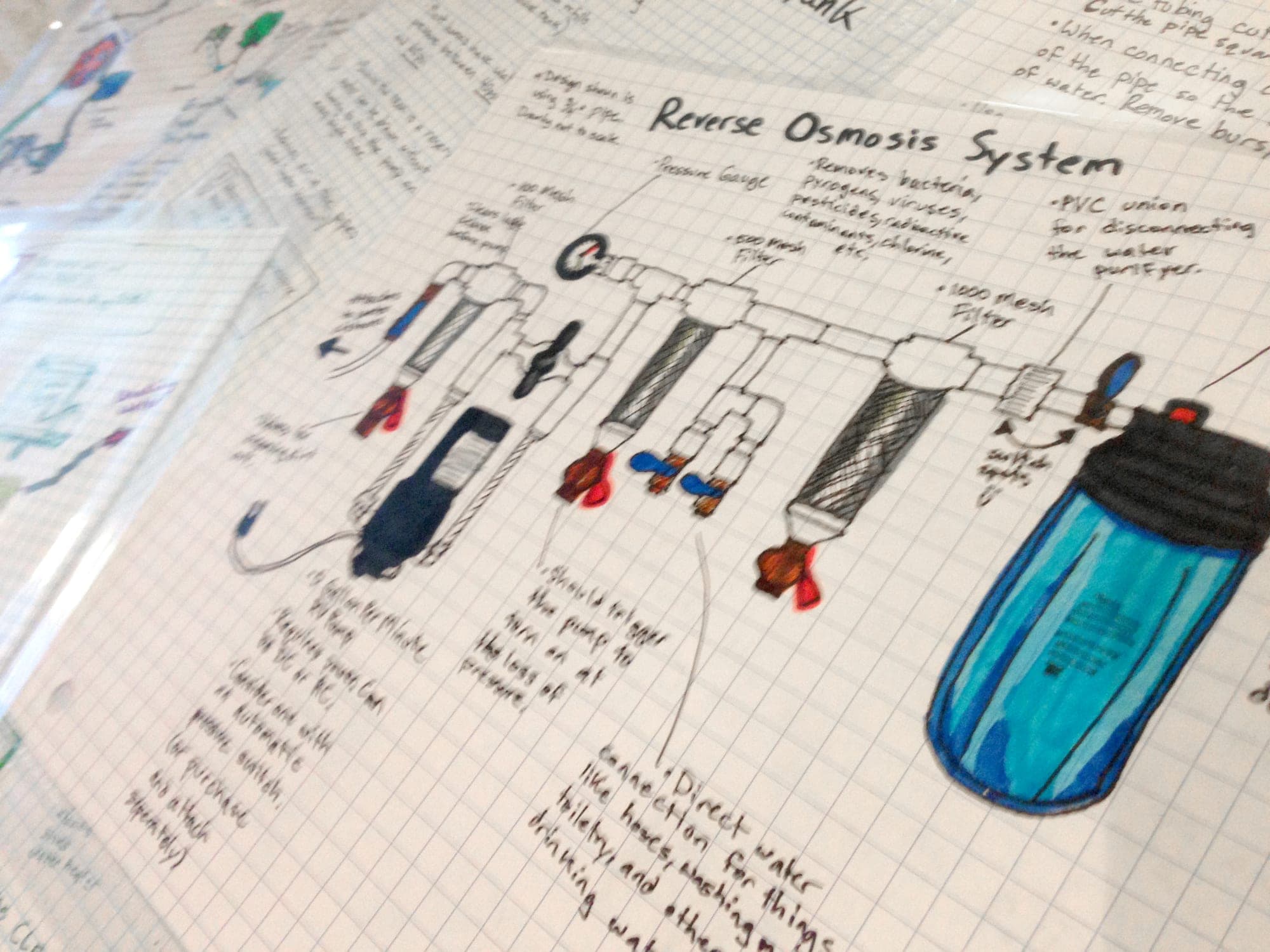
We have the best data. Every component draws on multiple trusted sources. Botanical registries establish identity and naming. Universities and agricultural research provide measured traits. Conservation databases describe range and habitat. Specialist horticultural and ethnobotanical literature adds uses, edibility, and functions.
When sources disagree
Sources do not always agree. When they conflict, we compare the evidence, choose the strongest-supported value, and record why. The disagreement does not disappear inside an unexplained average.
Source convergence
Curation is the engine.
Botanical registries
Identity + taxonomy
University research
Measured traits
Conservation data
Range + belonging
Specialist literature
Uses + functions
Curated record
Design-ready intelligence
Cross-checked
Conflicts reconciled
Structured for search
Connected to the system
Built by someone who uses it
Created for both new and experienced permaculture designers.
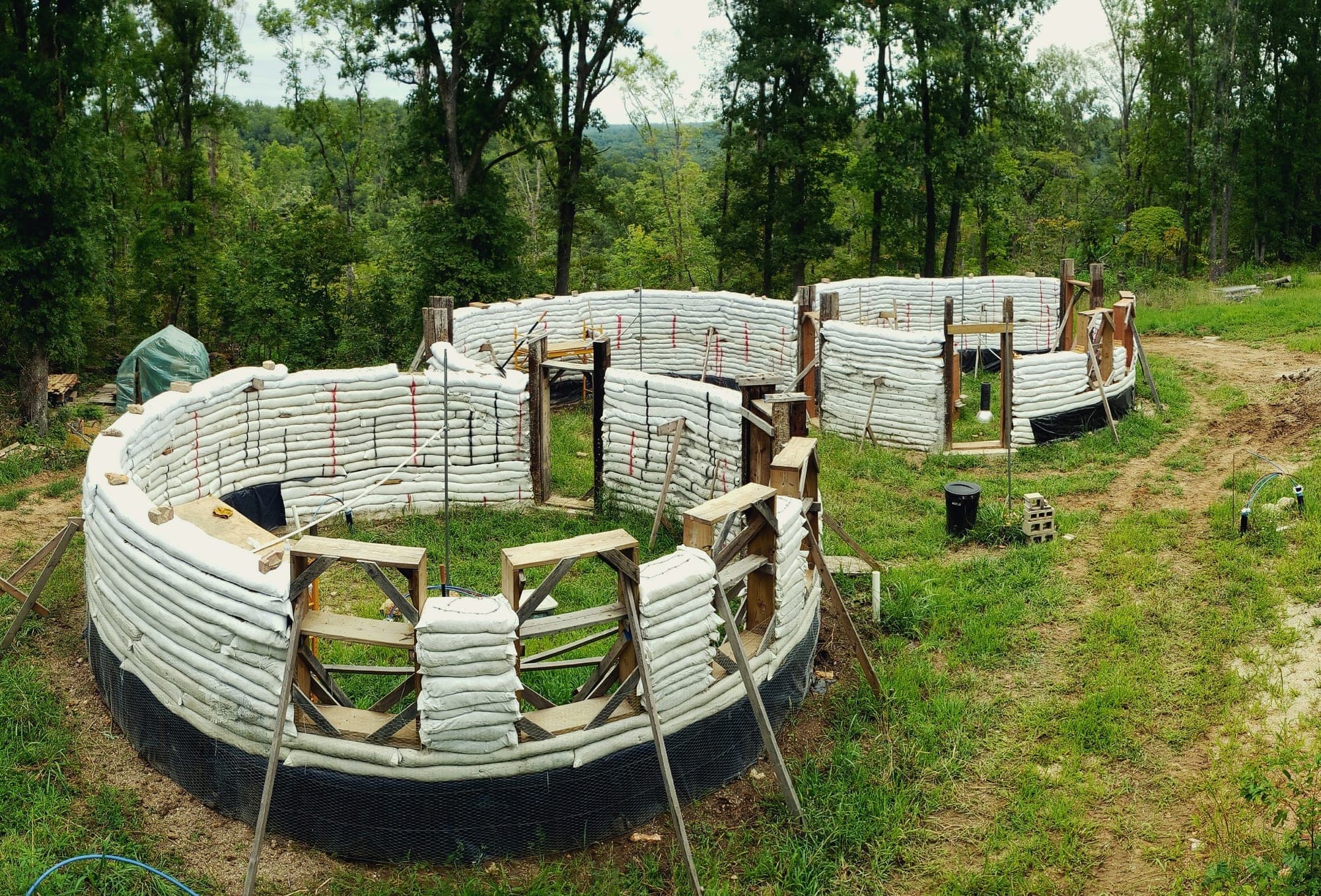
The founder earned a Permaculture Design Certificate from Geoff Lawton in 2017, previously wrote for the Permaculture Research Institute of Australia, designed and built an earthbag and Earthship-inspired structure, and continues to develop permaculture technologies.
Read the whole story
Early Access
Help shape what comes next.
Early Access pricing is available while the library grows. Subscriptions support the ongoing research and development, and early members can help set priorities.